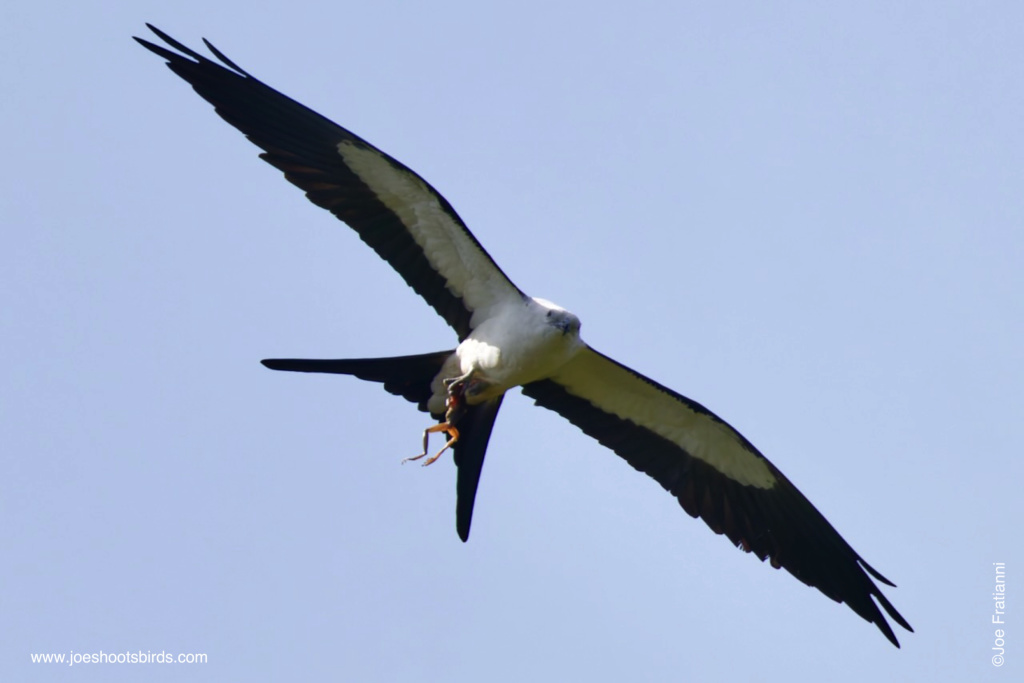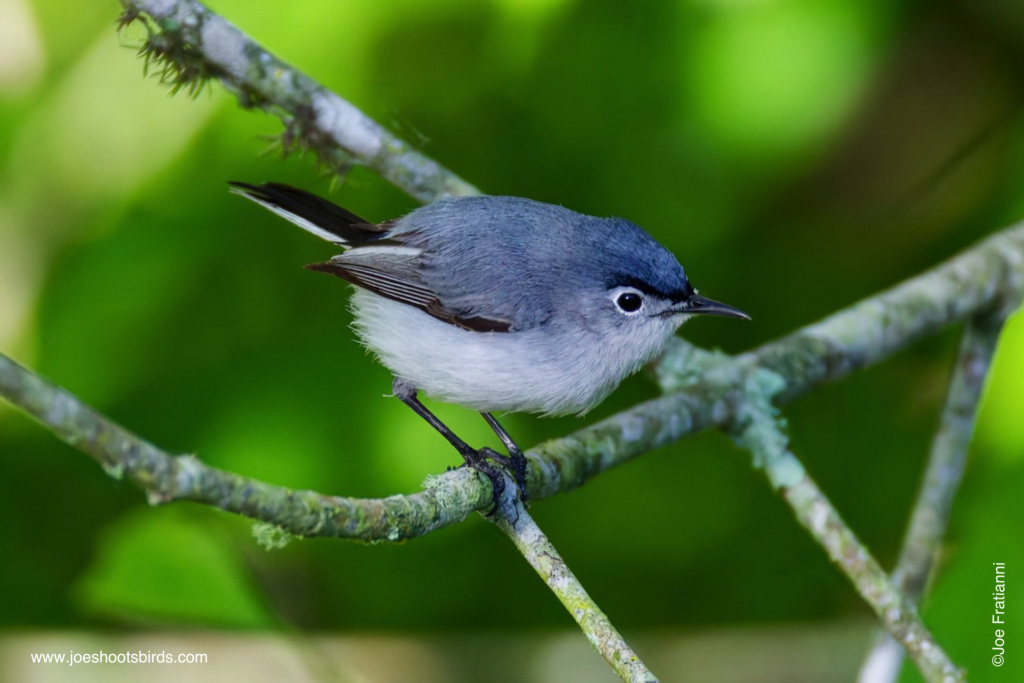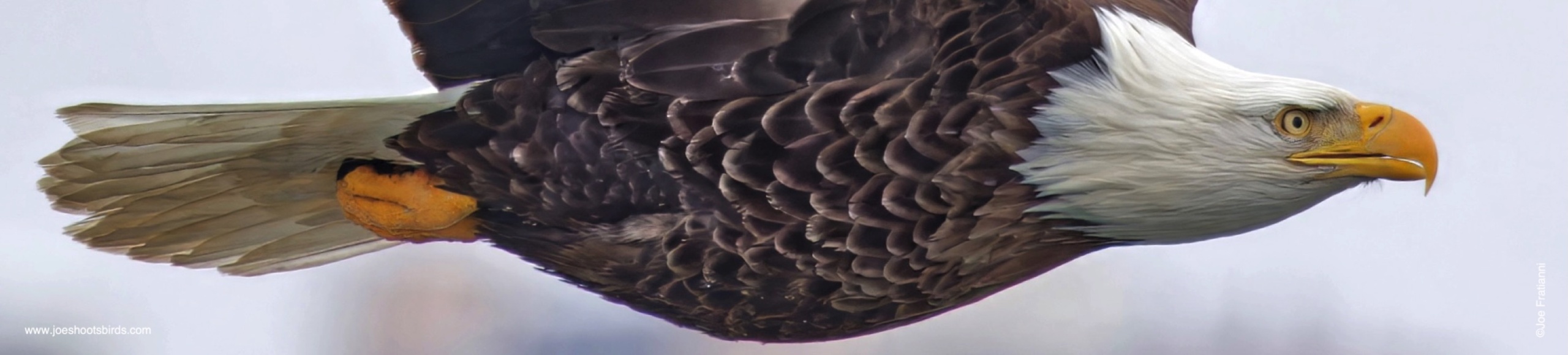
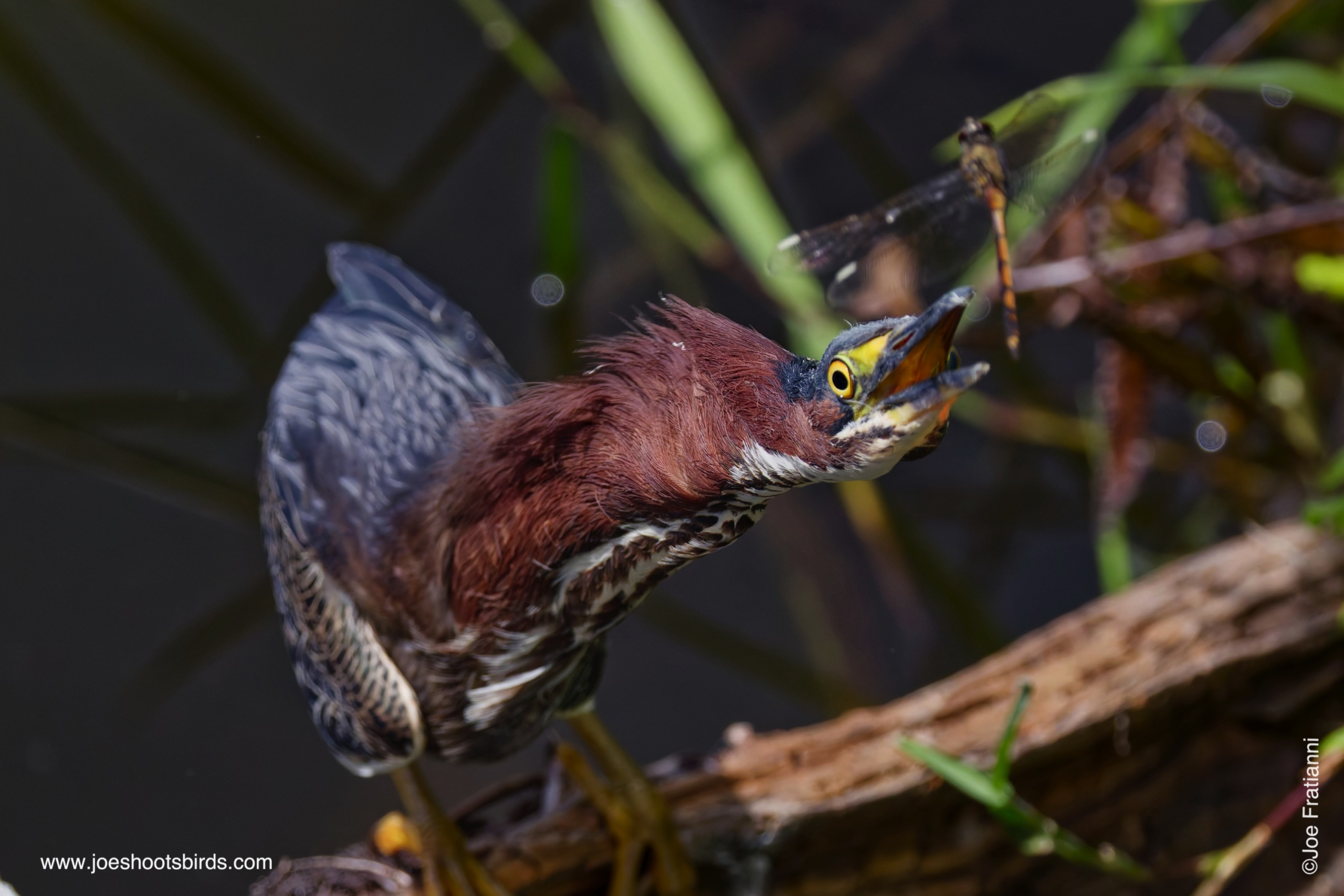
This April, I returned to Florida’s Gulf Coast with high expectations. Many of the places on my itinerary had produced some of my favorite photographs on previous visits. From the tidal flats of Bunche Beach to the boardwalks of Corkscrew Swamp and the shorebirds of Fort De Soto, I knew what these remarkable locations were capable of delivering. What I didn’t know was how different this trip would be.
Every wildlife photography trip begins with a plan. Maps are studied, sunrise times are noted, and favorite locations are carefully penciled into the itinerary. But after years of photographing wildlife, I’ve learned that nature rarely follows a schedule.
Over eight days we worked our way from Cape Coral to Fort Myers, then north through Tampa Bay, finishing along the Gulf beaches before ending near Clearwater. The itinerary included many of southwest Florida’s best-known wildlife destinations, each with its own reputation and personality.
A dry winter had changed the entire Gulf Coast, scattering birds that had once gathered in impressive numbers. At one stop, I just missed a Barred Owl hunting beside the boardwalk. Later a visitor reported a family of River Otters were parading close enough for cell phone photos. At another, wildlife was plentiful, but the harsh afternoon sun and a commitment to meet family meant there was no opportunity to wait for better light. Those frustrating moments cause me to think the trip is slipping away with missed opportunities.
Fortunately, wildlife has a remarkable habit of rewarding persistence—often when you least expect it.
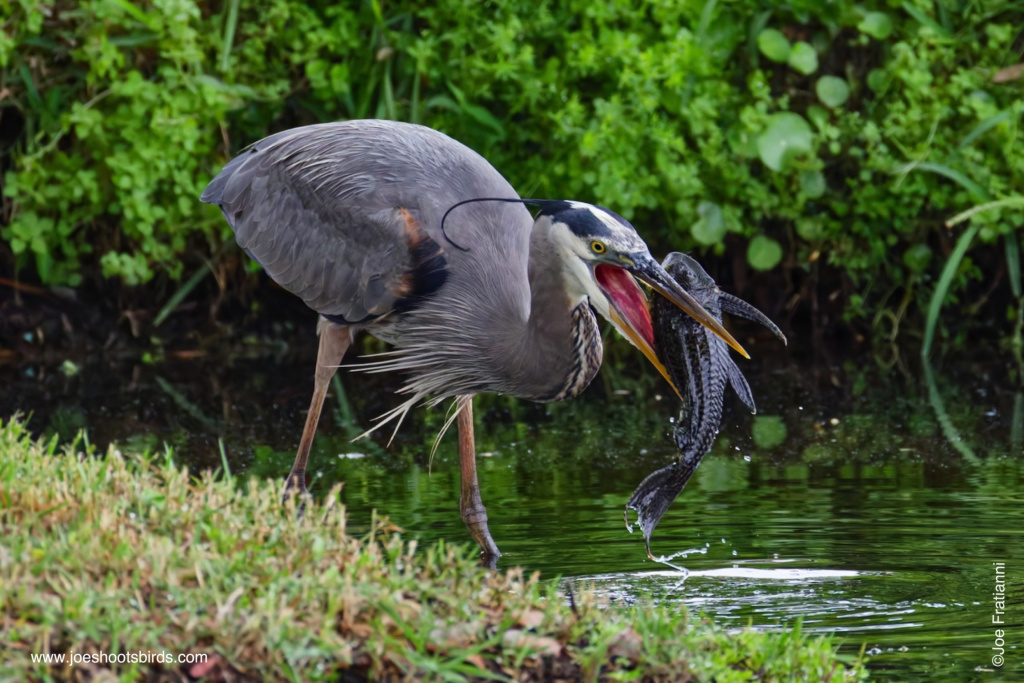
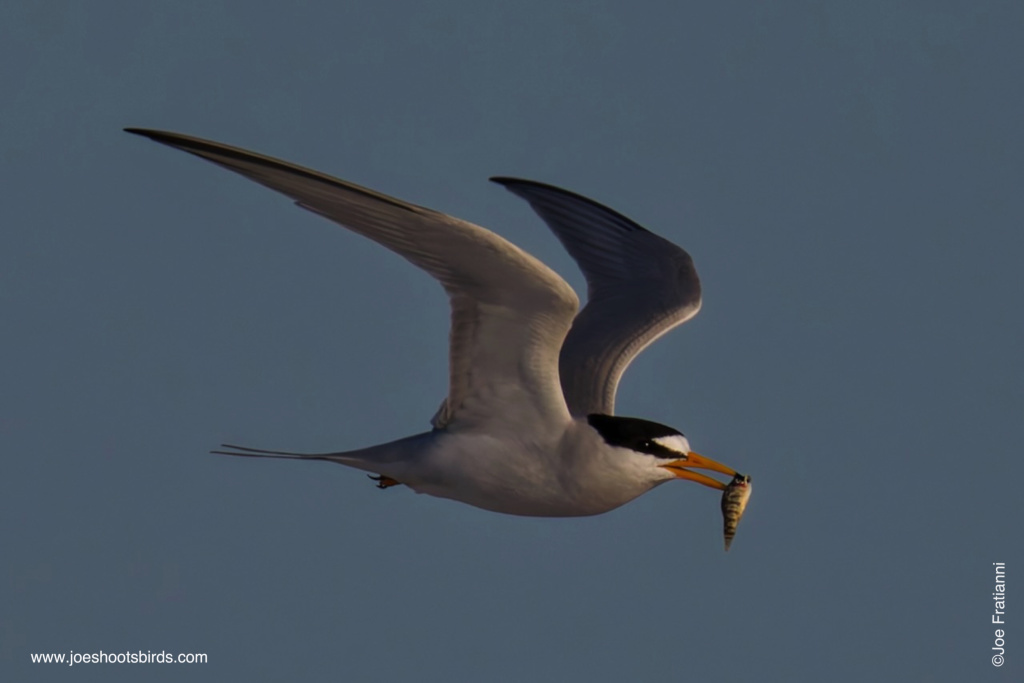
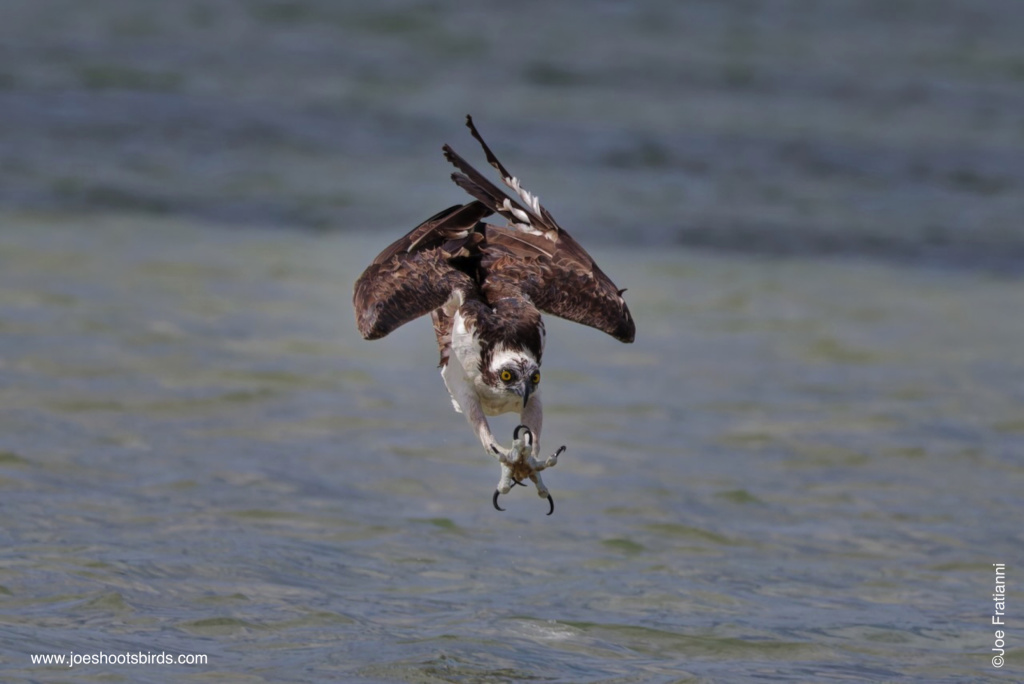
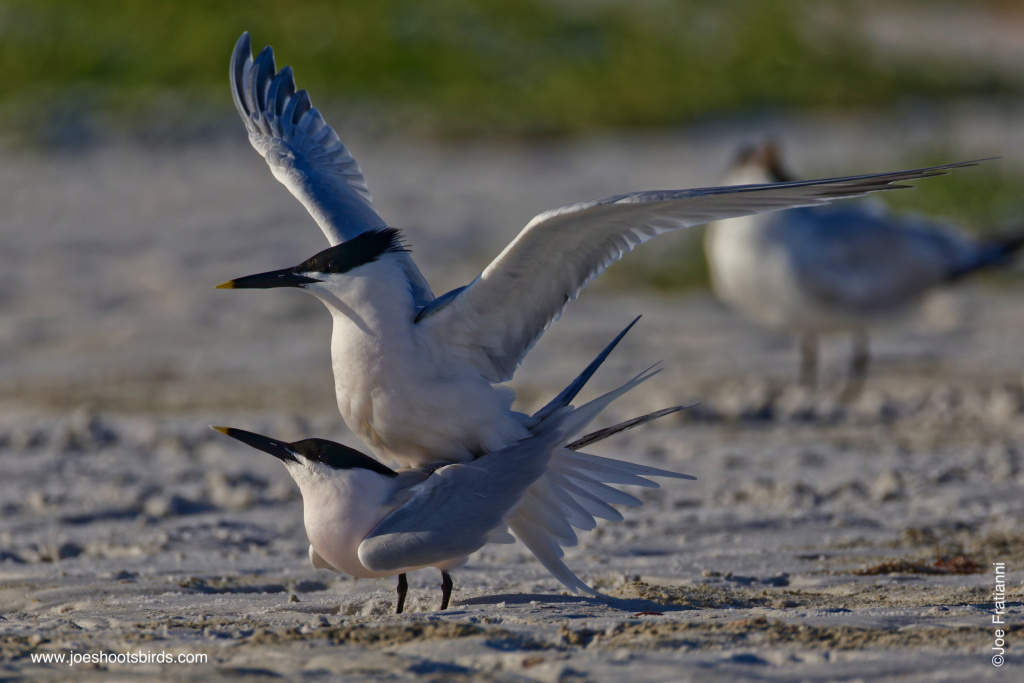
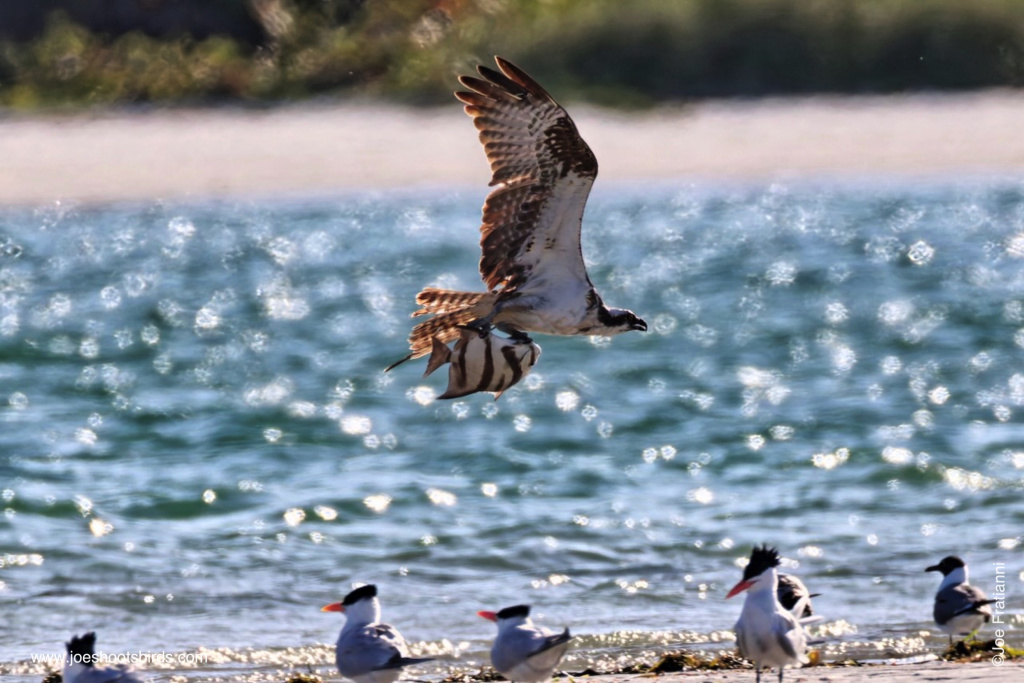
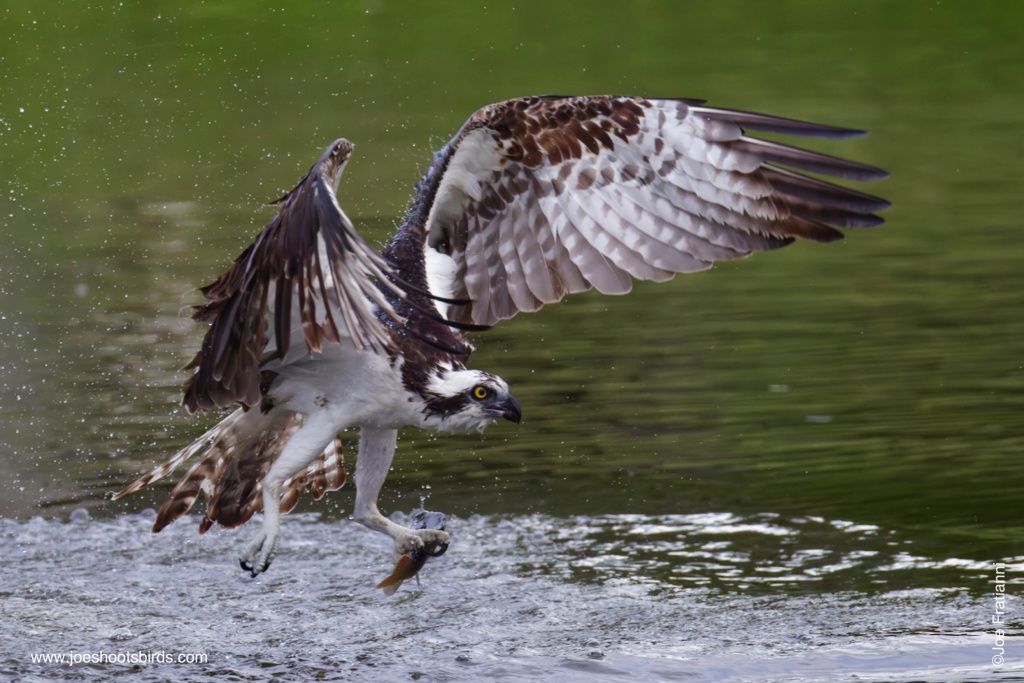
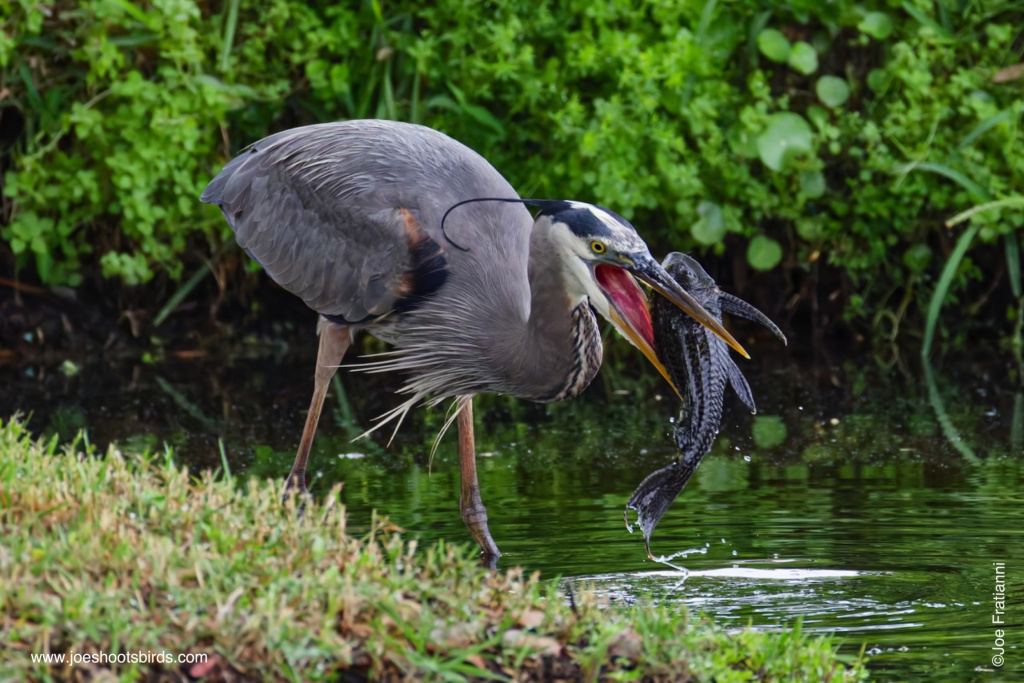
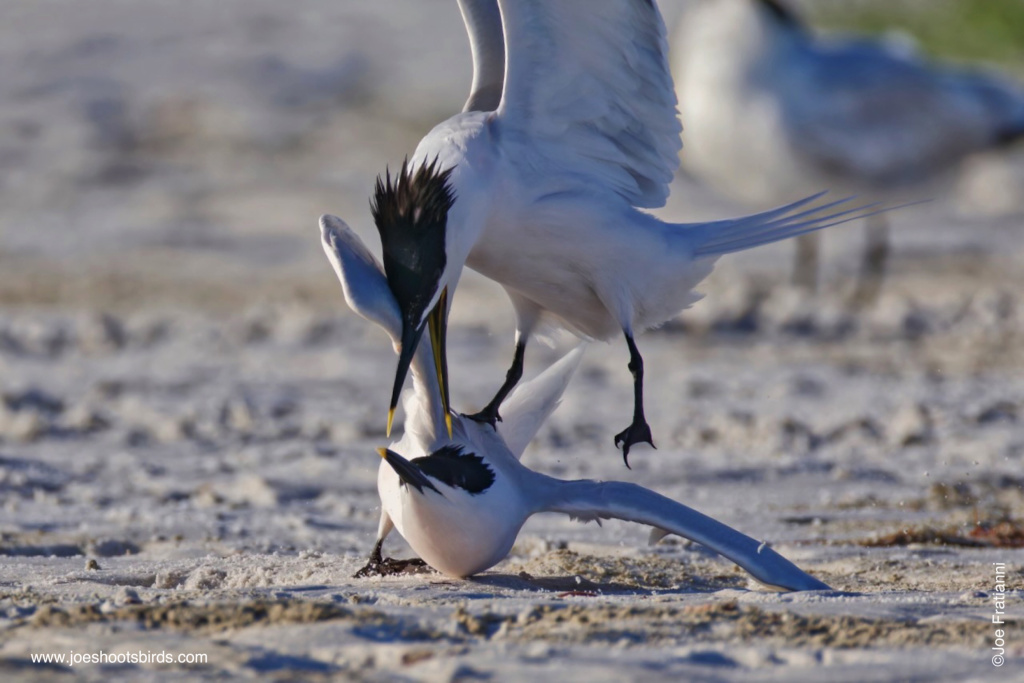
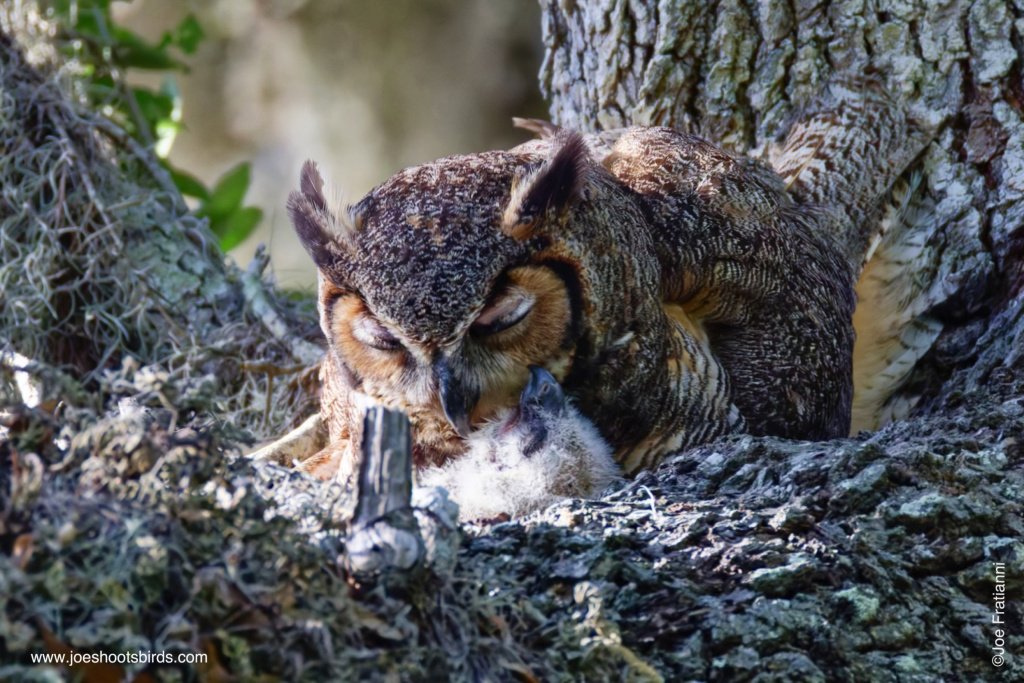
As the week unfolded, quiet moments gave way to unforgettable encounters. Ospreys plunged into the Gulf, Great Horned Owls snuggled with their chicks, Least Terns courted and exchanged fish along the beach, and a Great Blue Heron tackled an armored catfish that looked impossibly large to swallow. By the end of the trip, it wasn’t the missed opportunities I remembered most – it was the privilege of witnessing Florida’s wildlife during one of its busiest seasons.
If there’s one lesson this trip reinforced, it’s that the best wildlife photographs aren’t guaranteed by the destination. They’re earned through persistence, patience, and the willingness to keep showing up, even when things didn’t go as planned.
Cape Coral
The crazy part of birding in Cape Coral is you don’t visit a nature preserve or wildlife refuge. You stand on a residential street and look in front yards. The Burrowing Owl is the official bird of Cape Coral and is beloved by its residents. To show their support residents don’t display a flag or lawn decorations. Instead they dig a shallow hole in their front yard – the start of a burrow. Then they install a short post with a crossbar for the prospective tenant to roost. If the owls choose the location they do the rest. Unlike their western counterparts who occupy abandoned holes left by Prairie Dogs and Ground Squirrels, Burrowing Owls in the East dig burrows themselves in the sandy soil.
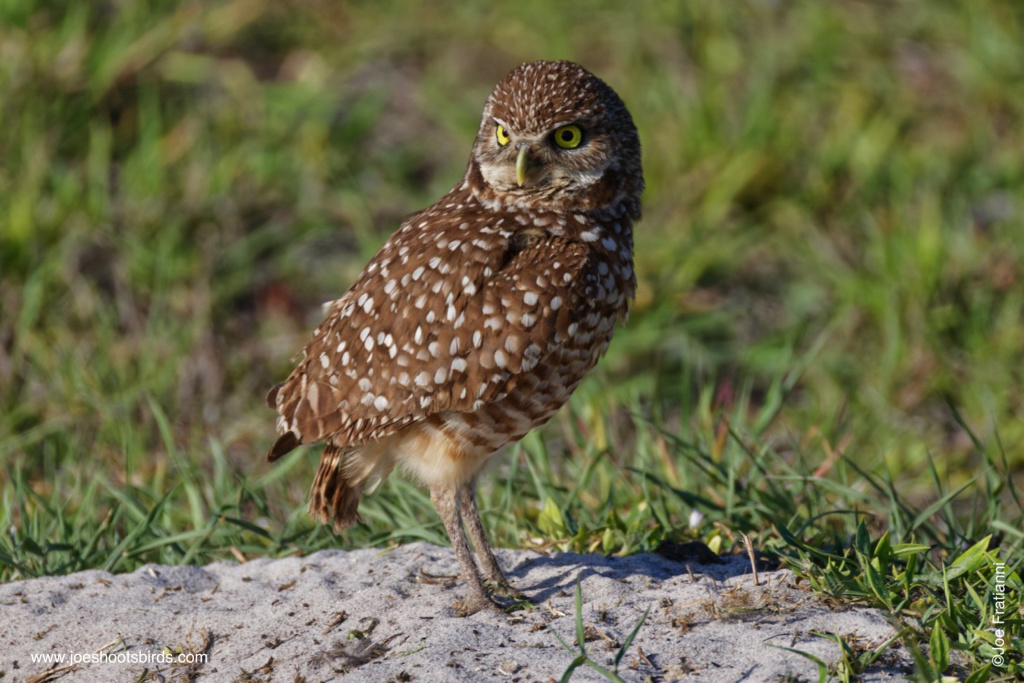
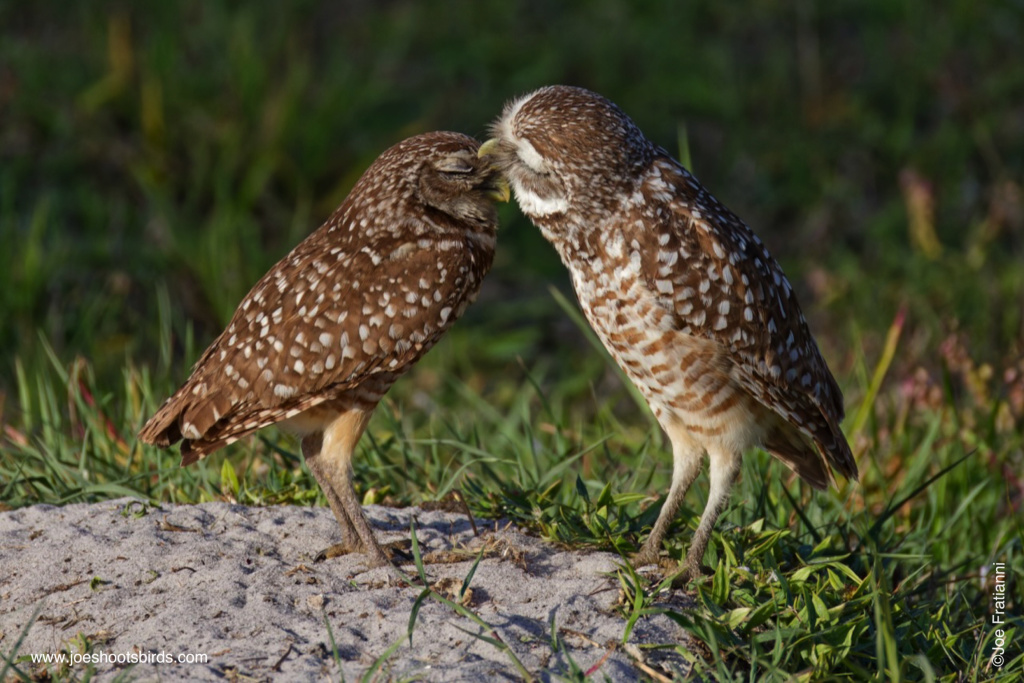
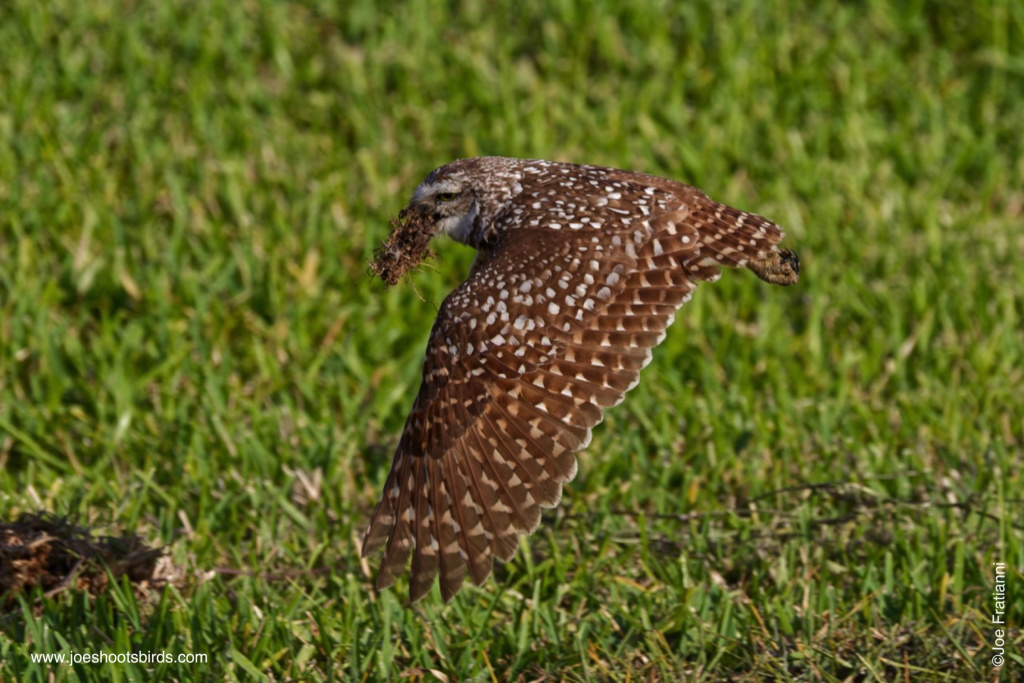
Although males and females of the species look identical the males often have lighter feathers bleached by the Florida Sun. Females spend more time in the burrow so their feathers tend to be darker.
Bunche Beach
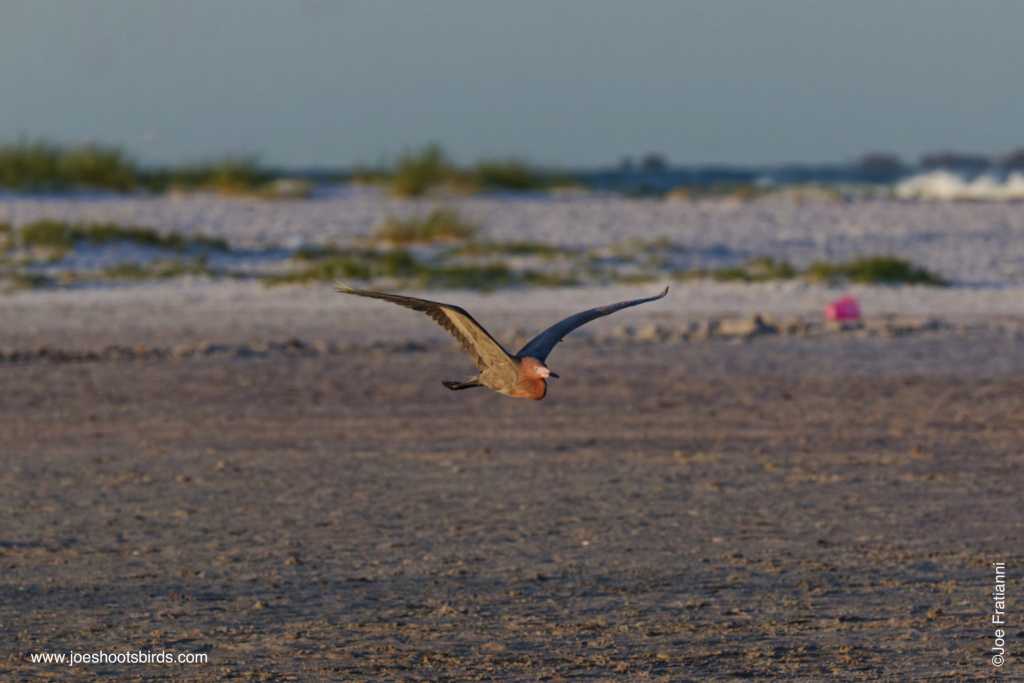
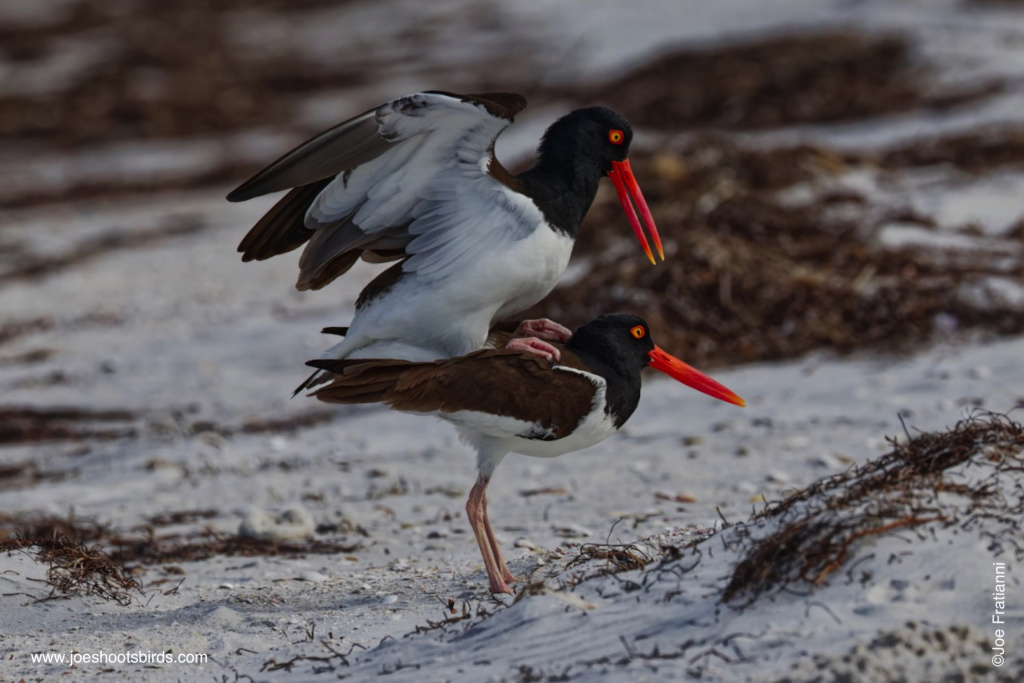
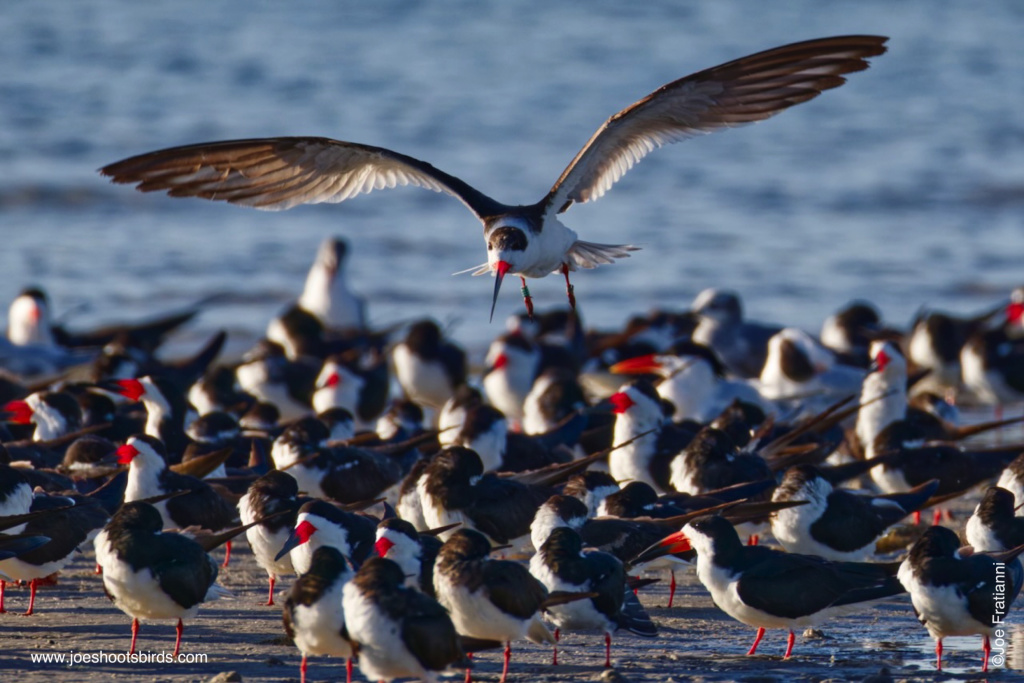
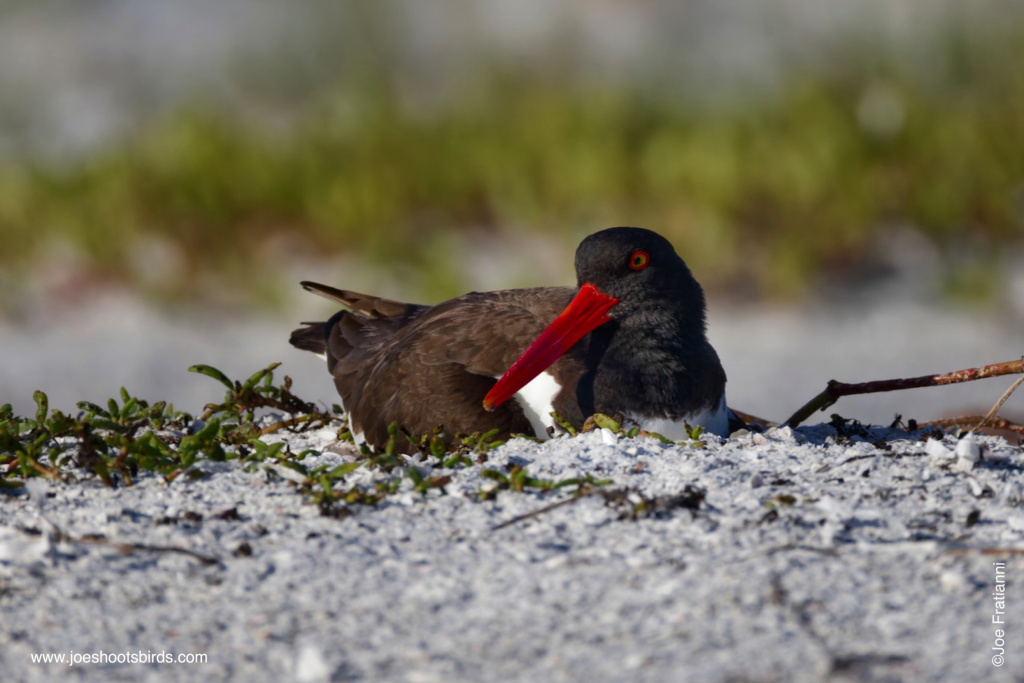
Located near Cape Coral this hidden gem was abounding with shorebirds. I celebrate seeing a single Oystercatcher. When I see hundreds I lose my mind.
Ding Darling National Wildlife Refuge
A world class destination doesn’t mean it’s a zoo. I found this destination magical on prior visits. This trip was a miss. Southwest Florida has been experiencing drought conditions for many months lowering the water levels. This was especially apparent in the marsh areas that turned into dirt. No close encounters with waterfowl, Anhingas or Green Herons. Instead we enjoyed the many displays in the visitor’s center for a change of pace. There was certainly wildlife around but not at the level I’ve experienced in the past.
Six Mile Cypress Slough
The Six Mile Cypress Slough Preserve is a long, narrow wetland with slowly flowing freshwater. The entire Preserve is eleven miles long, one-third of a mile wide and is over 3,500 acres of intermingled wetland and upland. The preserve contains a 1.2-mile boardwalk with paths throughout the area. At times it felt like I was far from civilization and the abundance of wildlife reinforced that.
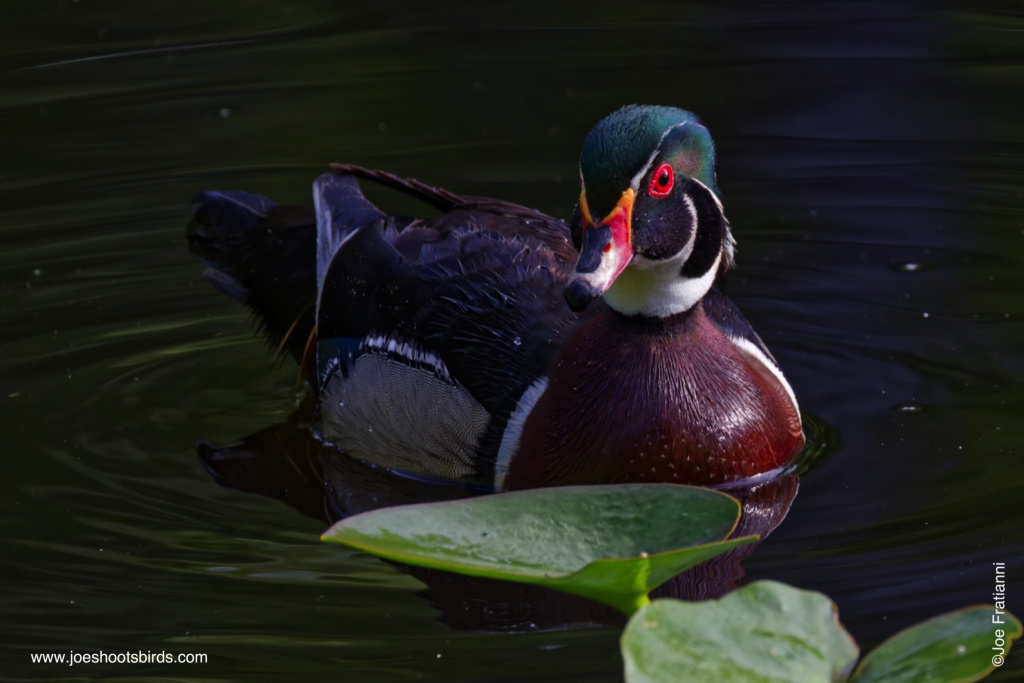
The Slough is essentially a drainage-way for water runoff that creates a wetland which supports a healthy habitat of wildlife. I found the encounters with wildlife to be more human tolerant which bodes well for the photographer. Wood Ducks, which I normally only see leaving from 1/4 mile away, allowed an entire photography session while they dabbled in the shallow ponds just a few feet away.
Audubon Corkscrew Swamp Sanctuary
The Audubon Corkscrew Swamp is legendary in its reputation among birders. However the general public also knows the secret. For that reason it is heavily visited by humans. Sometimes you’ll see more humans than non-humans. But with all those eyes covering the swamp reports abound. It reinforces the ‘Luck’ aspect of wildlife. It can also increase the disappointment from “Just Missing” something special.
Low water levels affected this area as well. Much of the raised boardwalks covered bare ground rather than swamp. However there were still opportunities for those with patience and luck. A visitor asked if I saw the Owl? What Owl? There was an Owl just down the boardwalk that was flying back and forth, perching near the boardwalk. “We didn’t know what it was but a woman said it was a Barred Owl” they commented. That’s nice. It’s gone. I don’t care.
Next we walked past a couple who reported a family of River Otters parading below the boardwalk. “They were so close you don’t need that camera” I was told while pointing to the 15 pounds of gear I was lugging around. At that point I was questioning why I was carrying it as well.
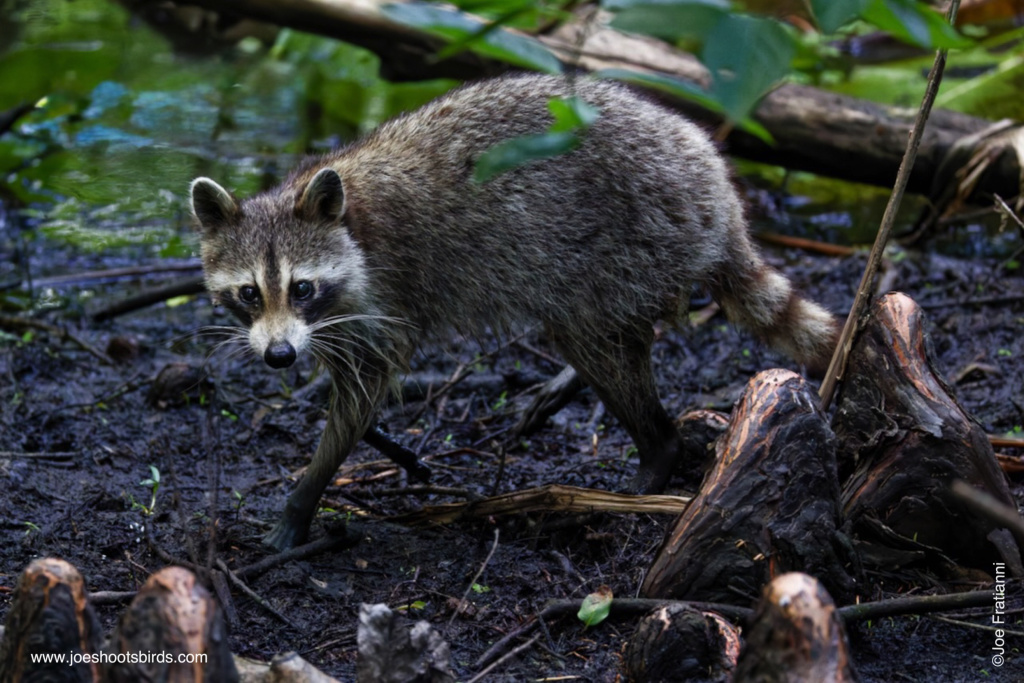
However, some interesting creatures did appear. I don’t get to choose the species so I’ll take what I can get. We watched a Raccoon forage around the muddy areas near the boardwalk that was supposed to be a swamp in normal times, occasionally glancing my way then going about his business. Time for me to move on.
Audubon Corkscrew Swamp
Having never visited before the Venice Audubon Rookery was a stop where I did not know what to expect. It appeared to be a small pond surrounded by development. Doubtful I’d find much if anything here I planned to stop en route to visit my brother in Palm Harbor.
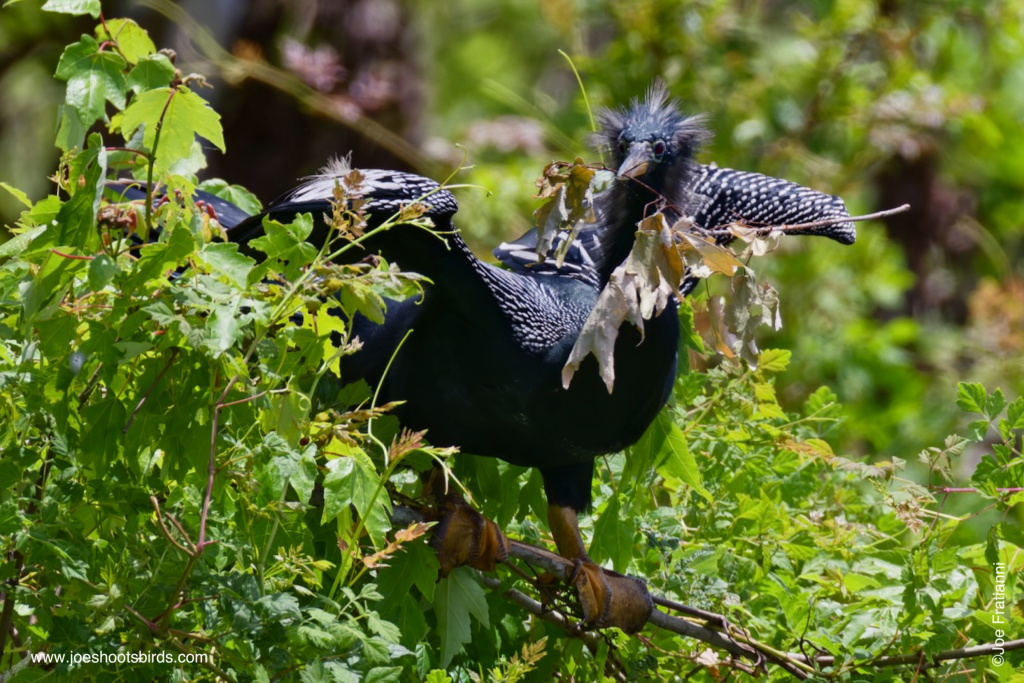
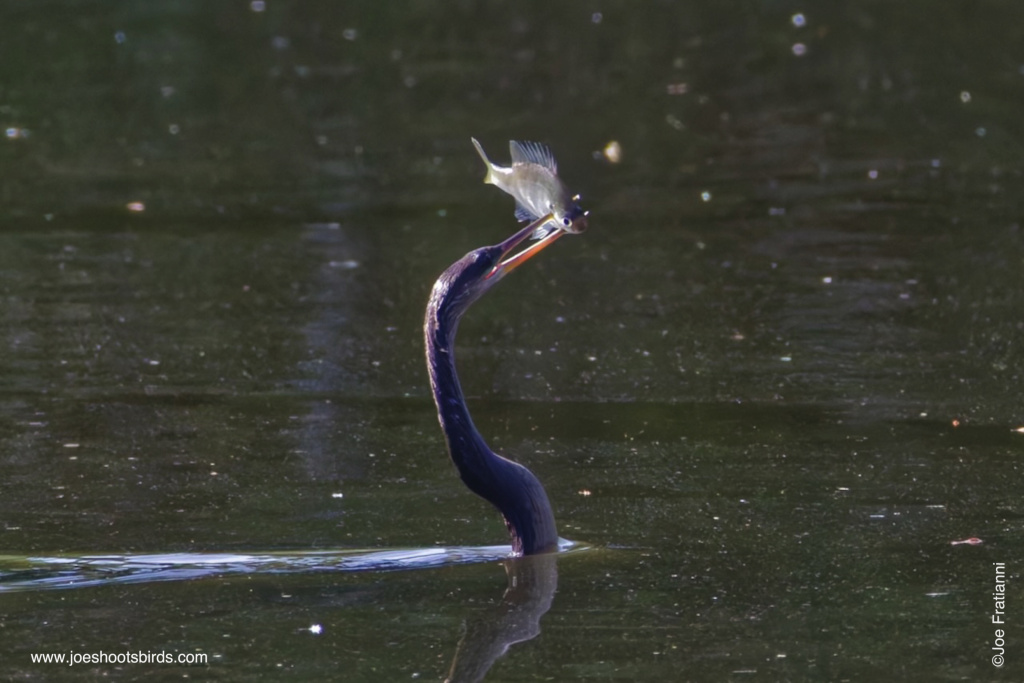
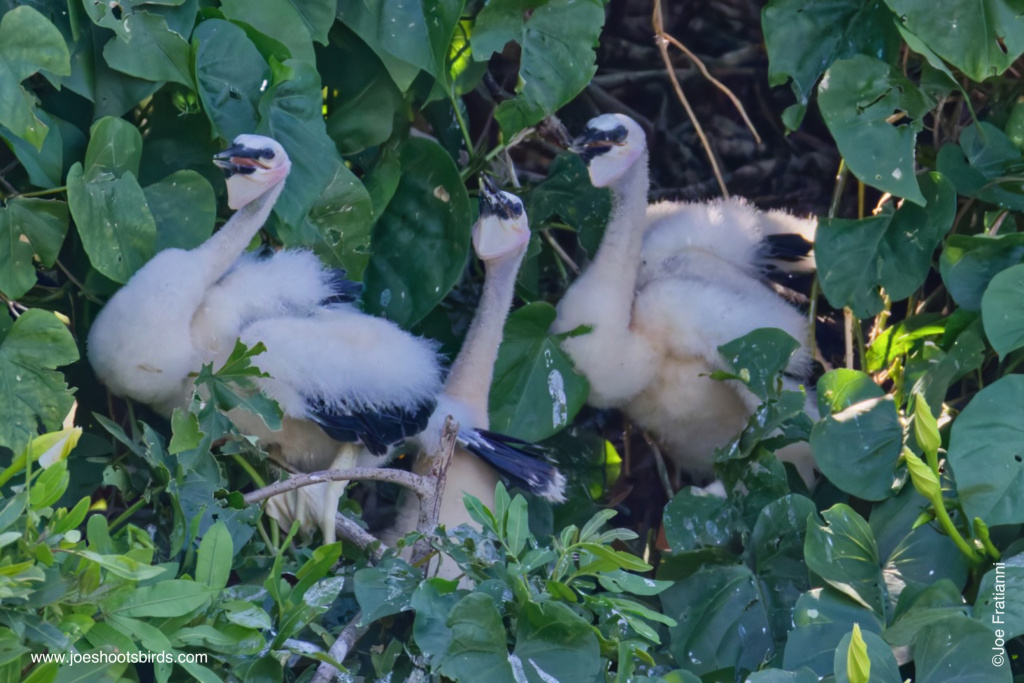
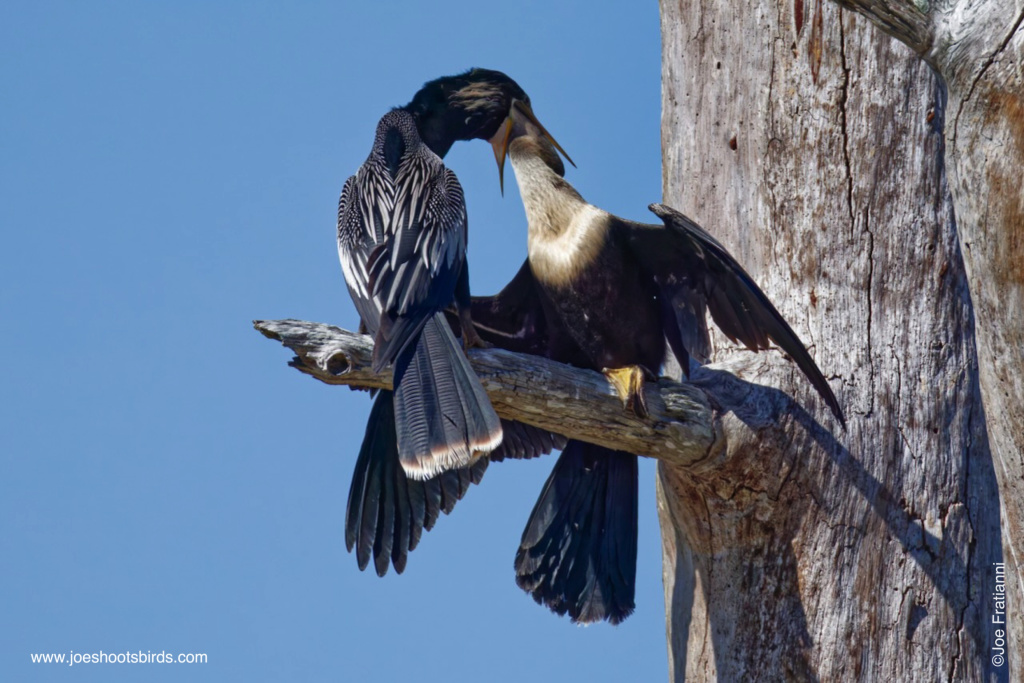
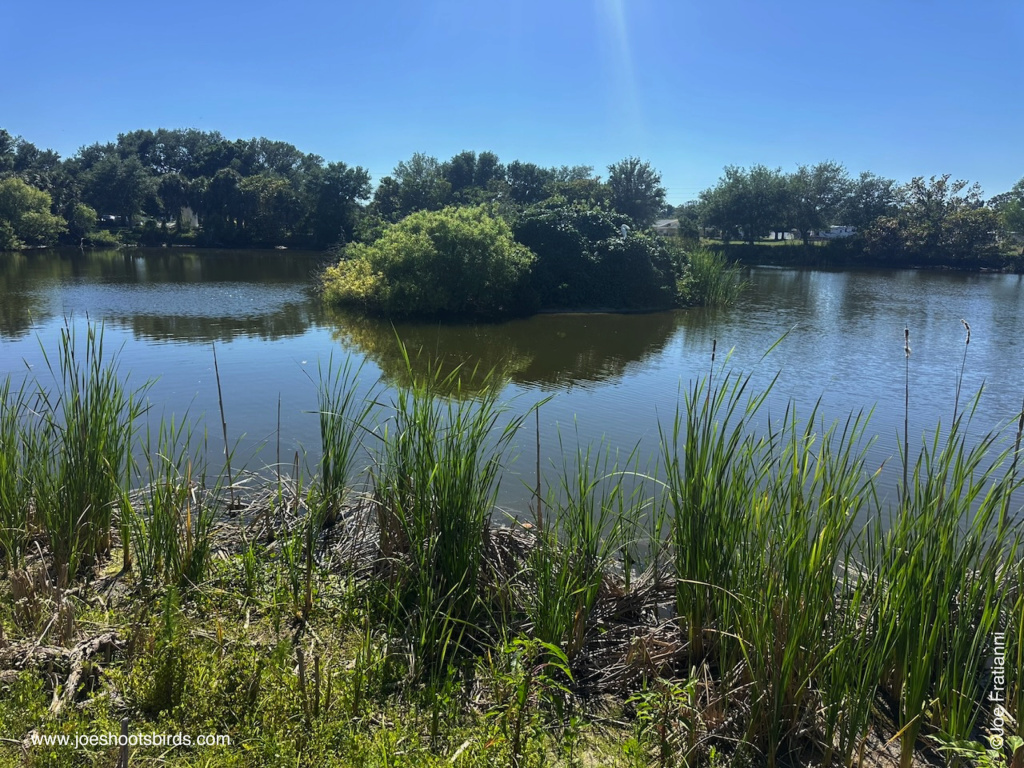
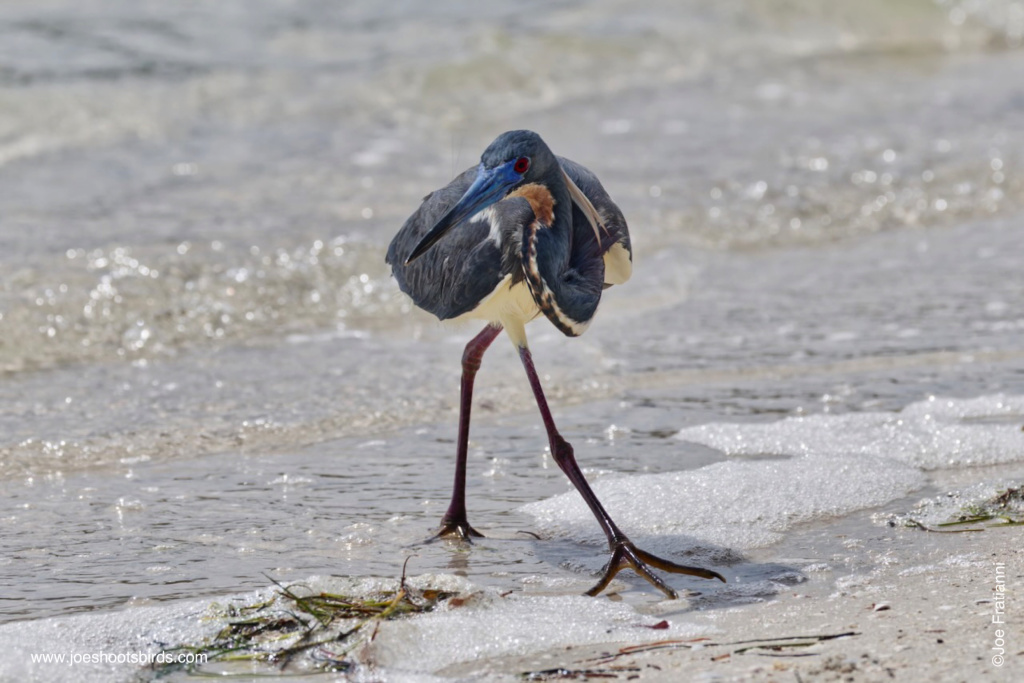
After several stops where wildlife had been unpredictable, the Venice Audubon Rookery felt like a welcome change of pace. A small pond with an island in the center the area couldn’t be more than a few acres in size. Despite this there was activity everywhere I looked. Great Blue Herons, Tricolored Herons, Snowy Egrets, Anhingas and Black-crowned Night Herons were all nesting together on one small mound that was likely created when a developer pushed dirt into a pile while grading the area. The birds were all tending nests while chicks demanded another meal.
Unlike many wildlife areas where birds remain wary of people, the rookery is remarkably accessible. The birds seem accustomed to respectful visitors, allowing photographers to observe natural behavior from only a short distance away.
Unfortunately nothing is ever perfect and everything comes at a price. In this case opportunities were abounding but lighting was difficult. I was shooting directly into the late afternoon sun and time was limited because I had promises to keep and miles to go before I sleep. I made the best of the cards I was dealt. After a 30 minute visit I moved on. I wanted to return later in the trip but time would not allow.
Family Time
No wildlife trip would be complete without spending time with family. While visiting my brother in Palm Harbor, bird photography unexpectedly followed us home.
His backyard regularly attracts a surprising variety of visitors. It was like a wildlife refuge in the back yard. Anhingas, White Ibis, Great Egrets, Black-crowned Night Herons, Great Blue Herons, Little-blue Herons, Alligators and much more. I saw them all. How fortunate to wake up, grab my camera and breakfast and sit on the patio. The wildlife came to me.
Fort DeSoto
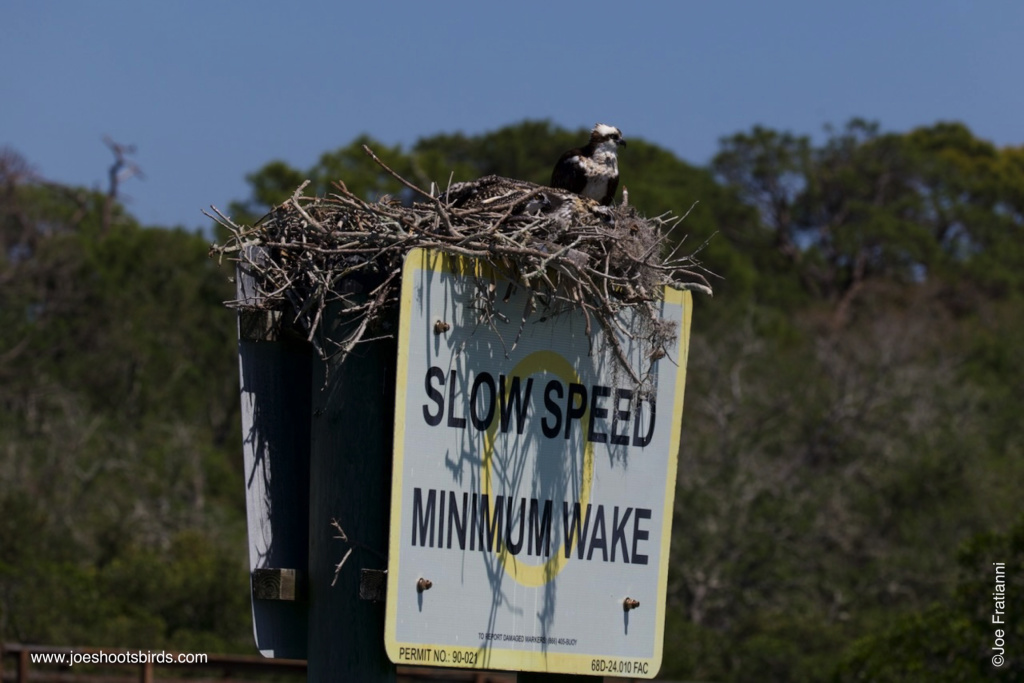
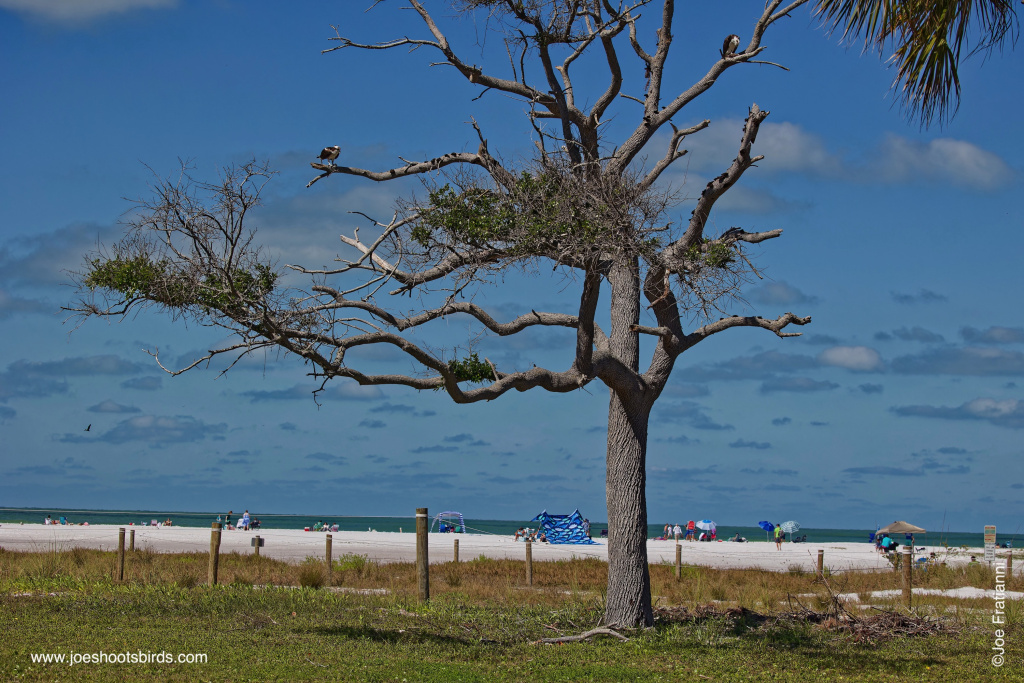
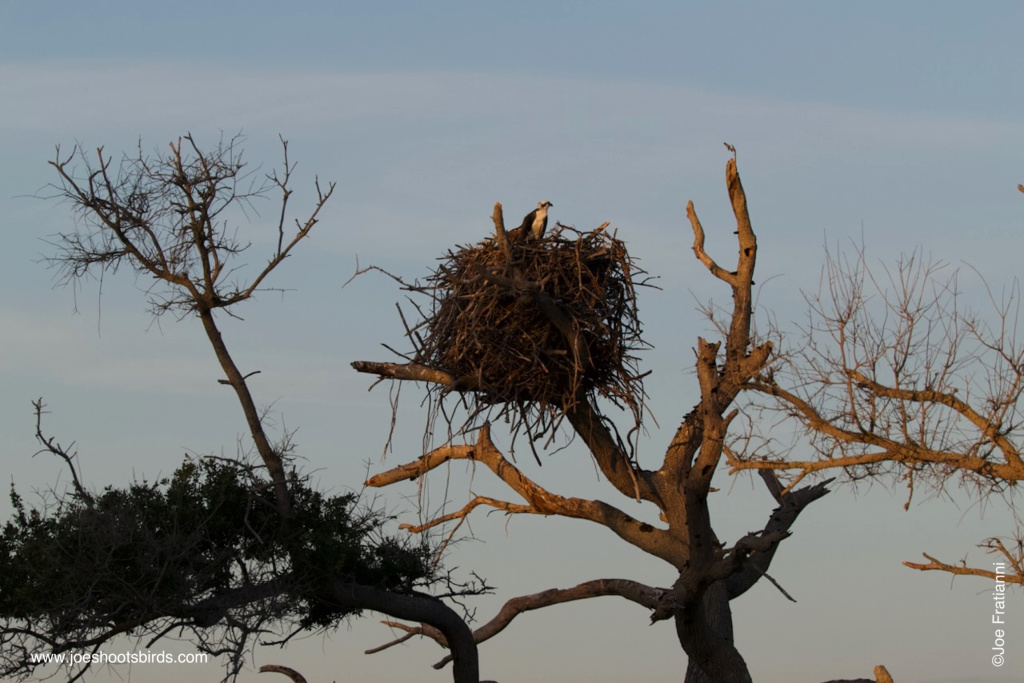
Fort DeSoto always produces huge numbers of shorebirds. Performances were ongoing throughout my visit. I enjoyed seeing an Osprey nest in the same spot where the birds were struggling to build one two years prior. I waded in the water and walked the beach which allowed me to get better angles than would otherwise be possible. Finding where the shorebirds would soon be nesting was easy enough. Those areas were roped off and only a pair of Oystercatchers were occupying any of the reserved locations. The rest were nearby preparing to select a nesting location at any moment. Diving Ospreys were also memorable.
Philippe Park
I made a brief visit to Philippe Park to see local celebrities. A Great Horned Owl pair have been nesting in the county park and were late this year because they lost their first clutch. This type of visit is always special because it’s a chance to meet photographers and learn about the area. Coming from the northeast it’s a surreal experience to visit a county park and see such a special wildlife scene unfolding right over the parking lot.
Why Florida is Special
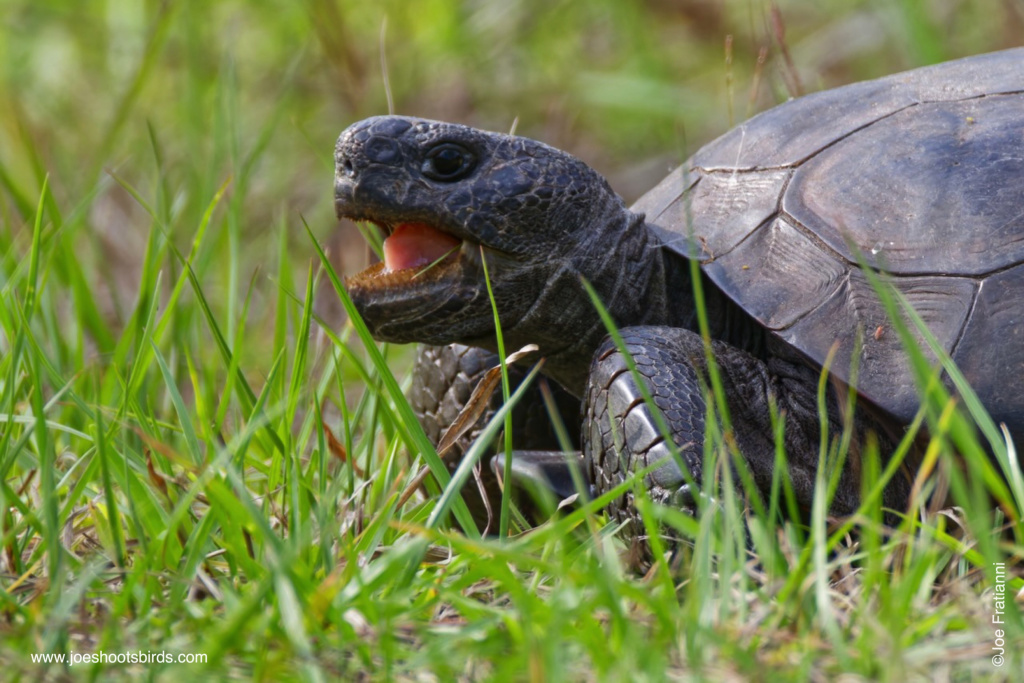
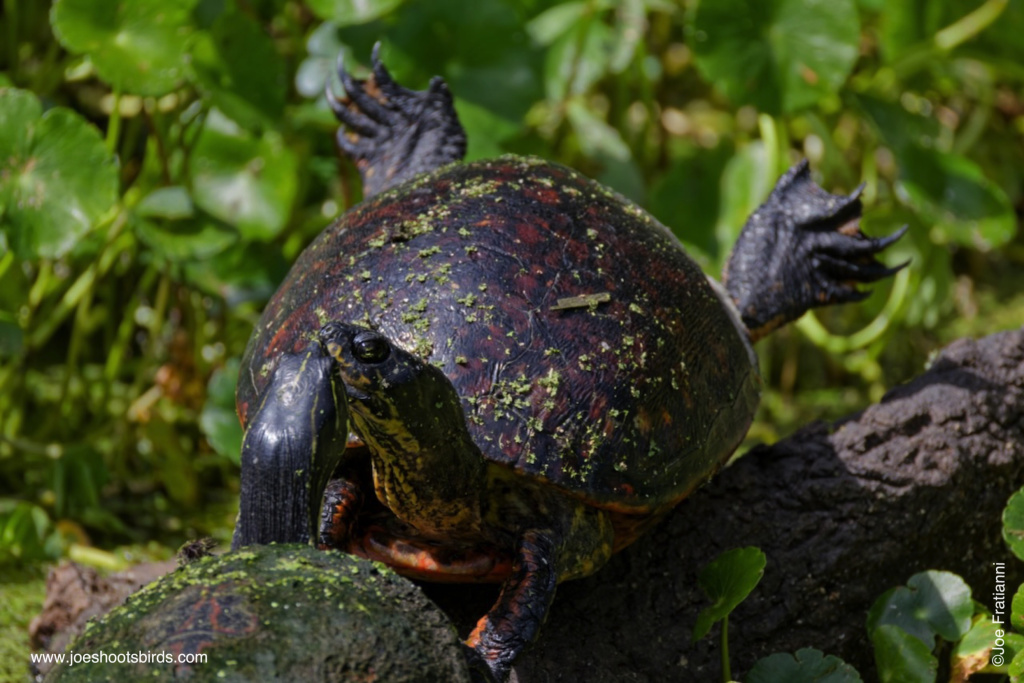
What always stands out during a trip to Florida is the tremendous numbers of birds and other wildlife that live there. The abundance of habitat and favorable climate supports such a diversity of species that it’s incredibly easy to see numerous bucket-list birds while enjoying the warm weather. It was commonplace to find Osprey nesting on light poles, Burrowing Owls living in front yards, beaches with hundreds of shorebirds and parks with turtles larger than my head. I could wake in the morning, look at the neighborhood pond and watch the day unfold. The night herons go off-duty while a Great Egret, Snowy Egret, Great Blue Heron and the local alligator punch in for the day. Beautiful.